The River Wye Charter
River Wye Charter launch marked a significant moment for the Rights of Nature movement in the UK
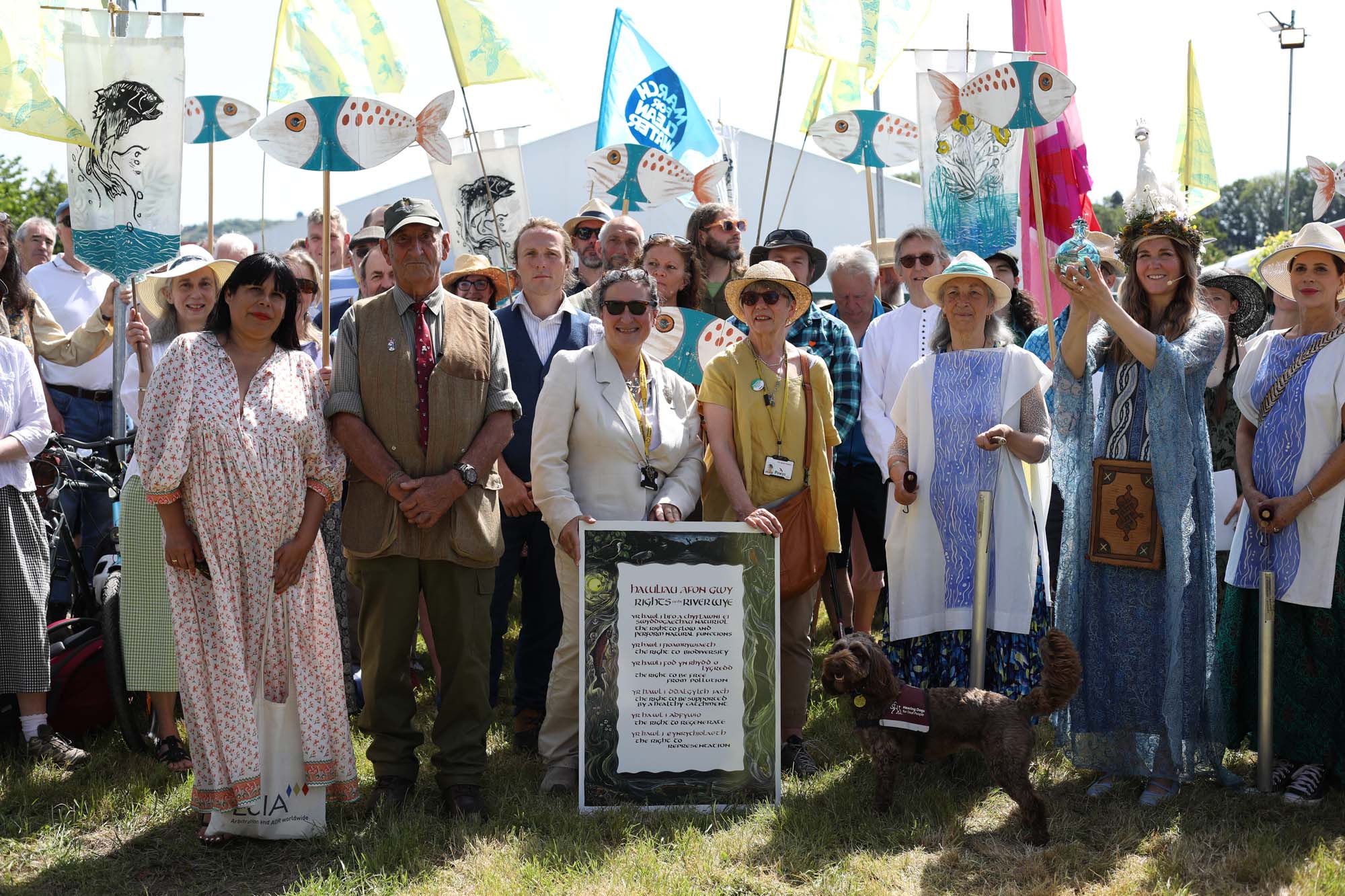
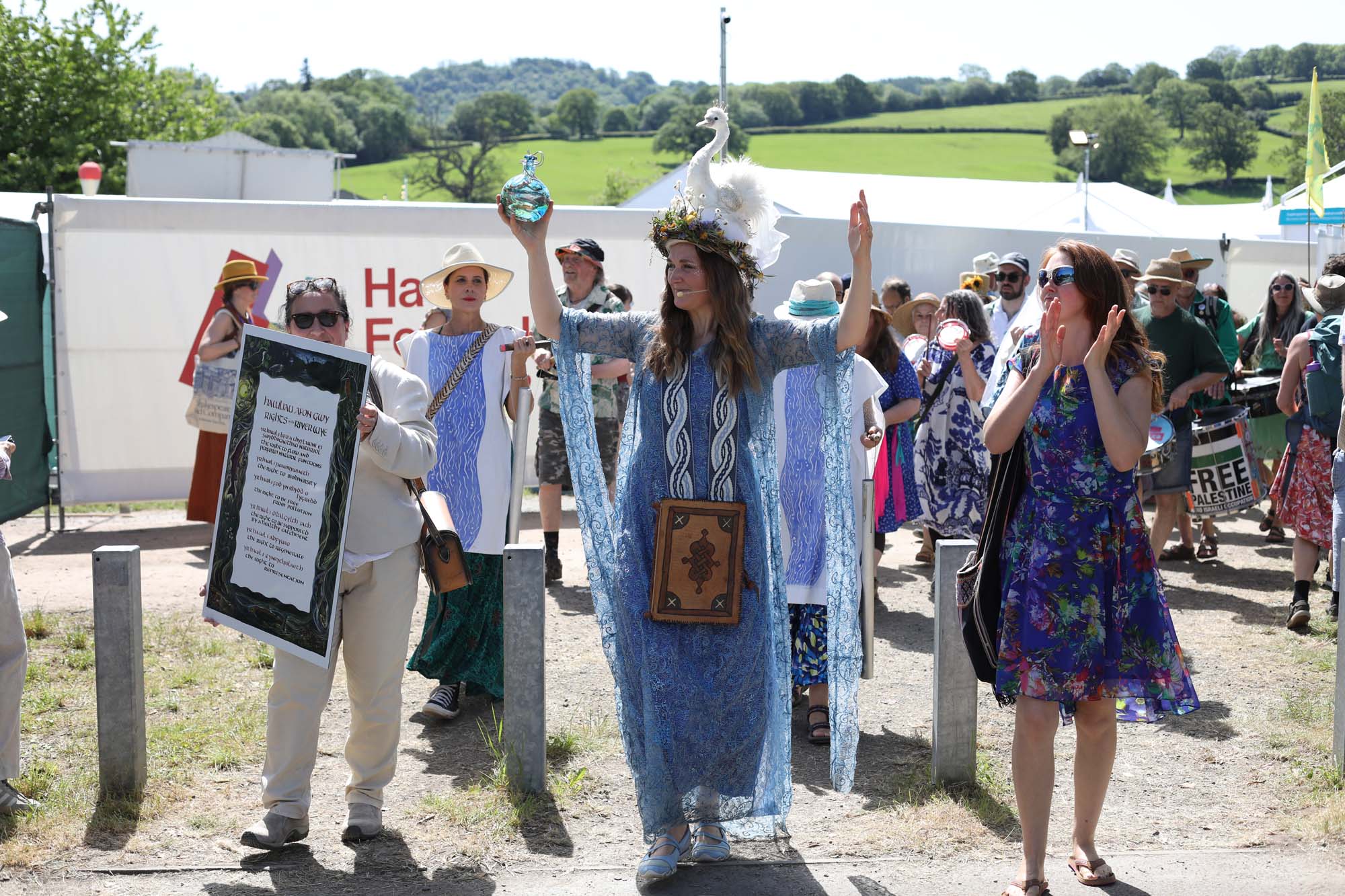
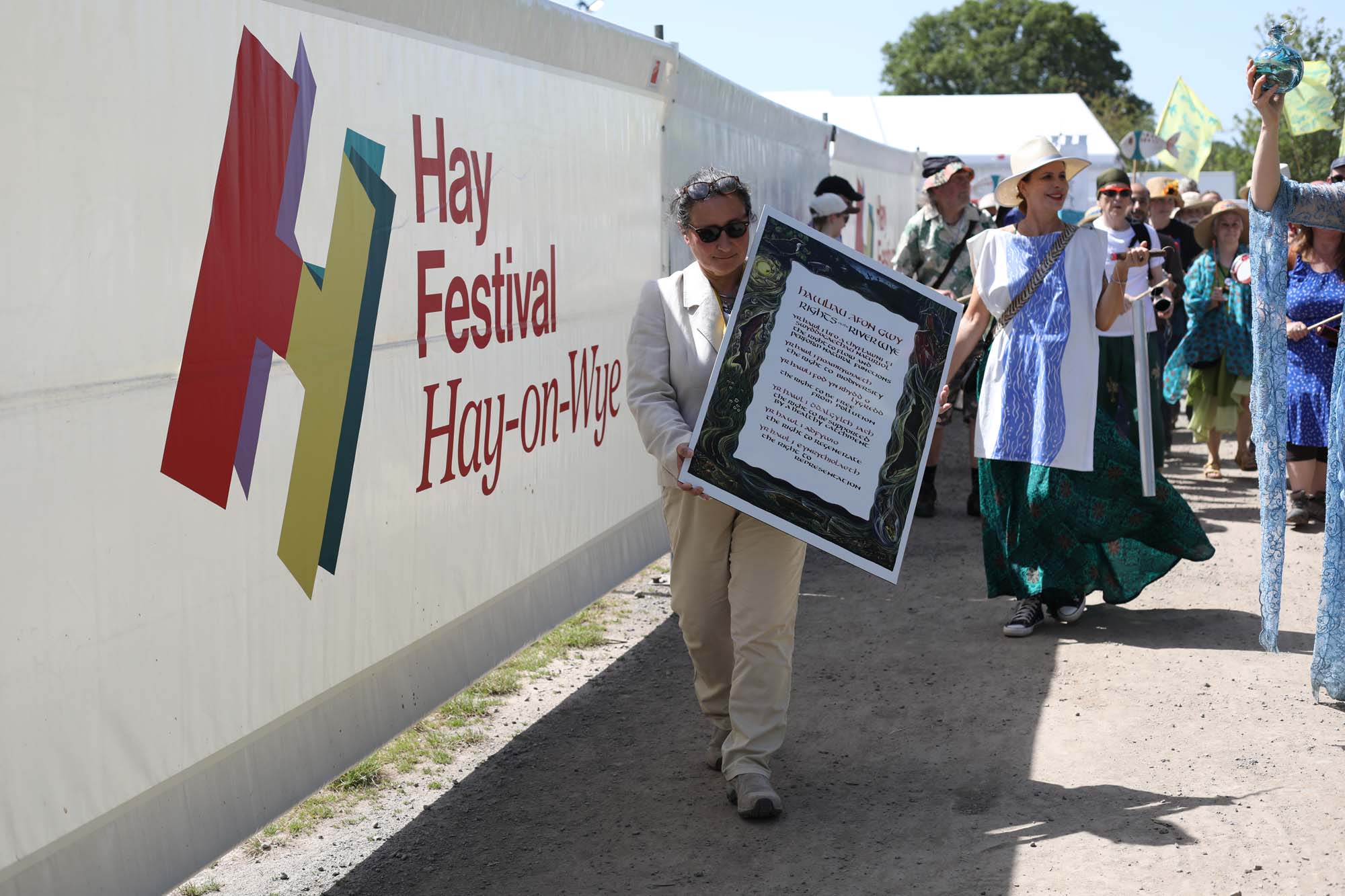
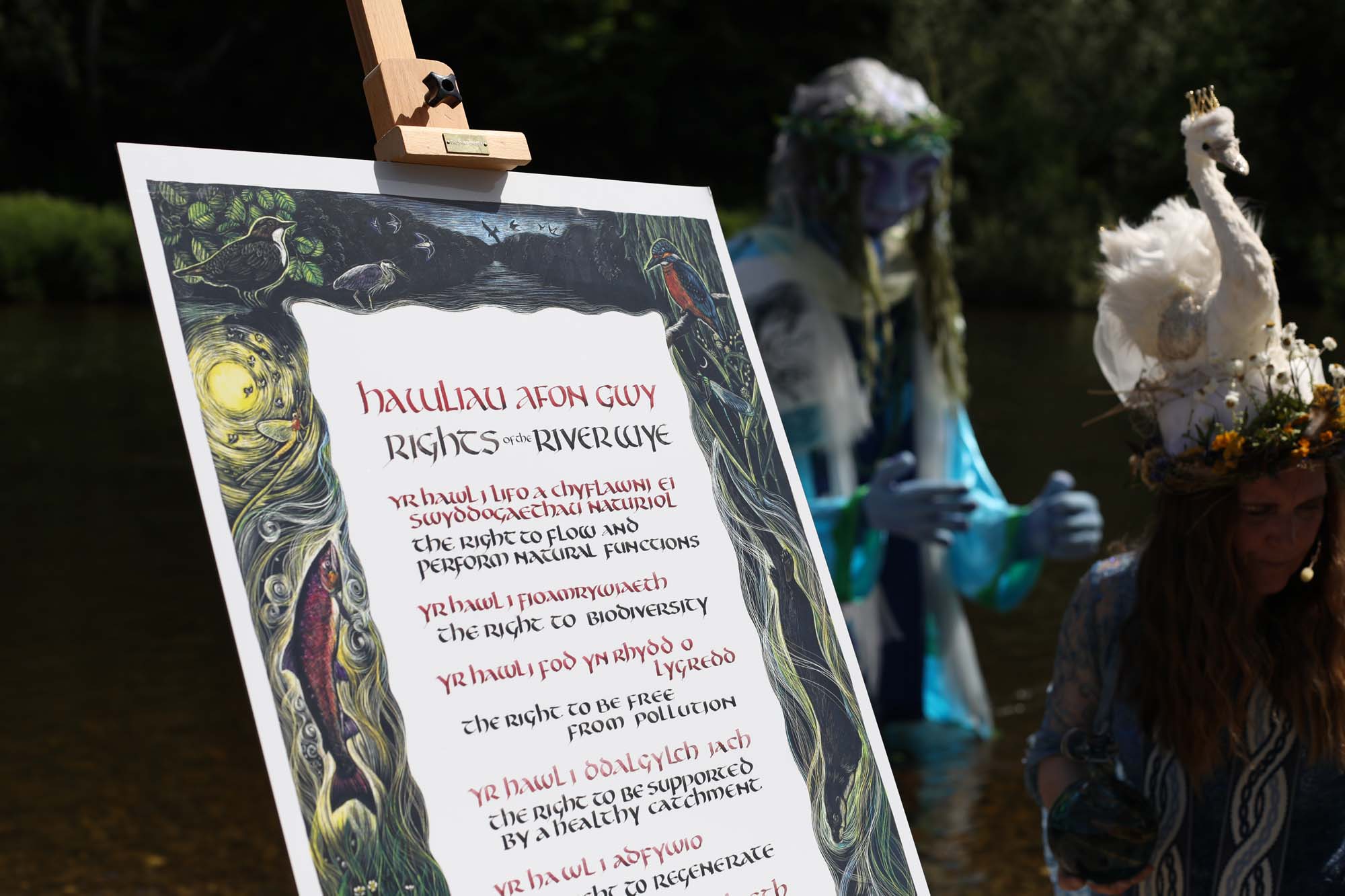
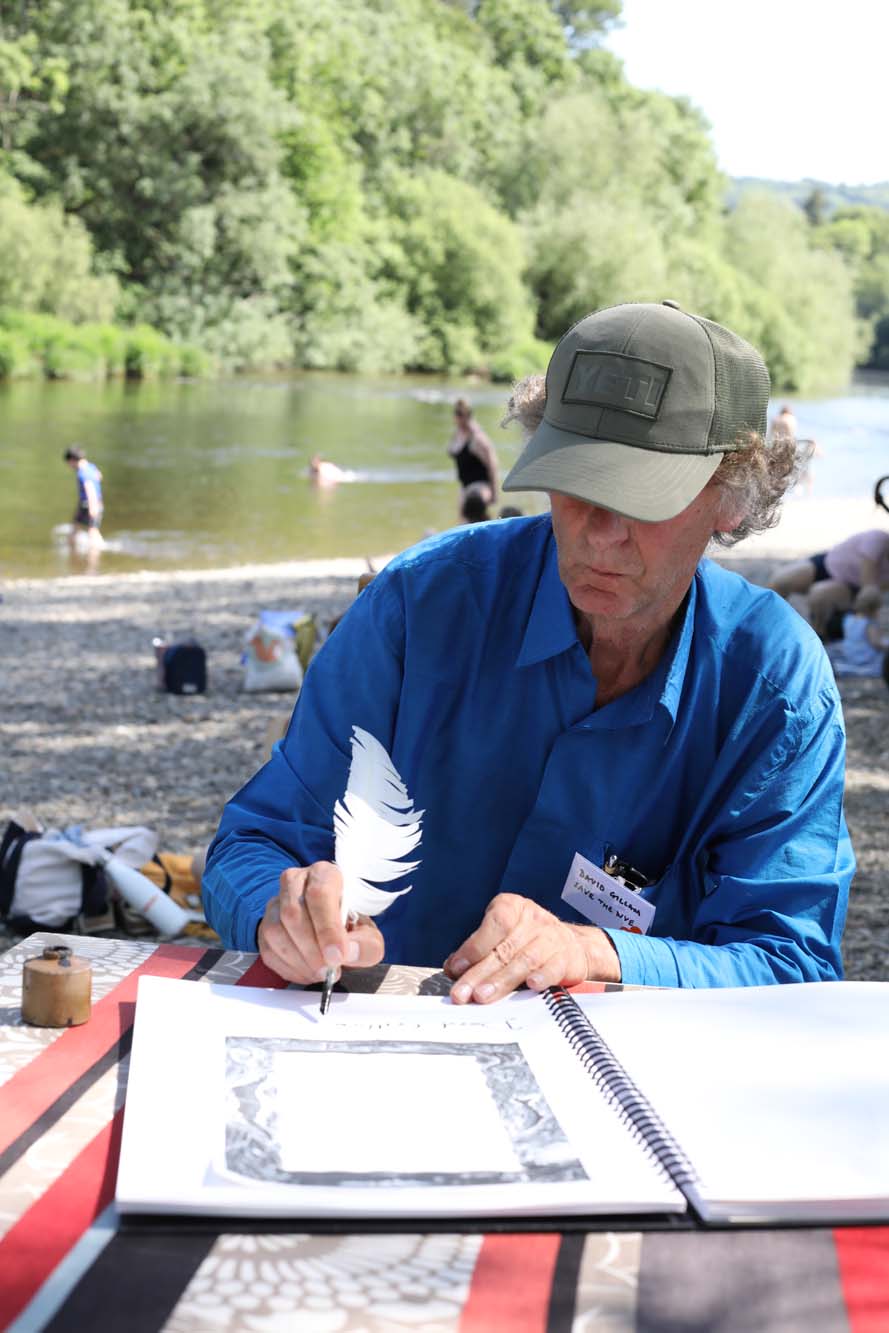
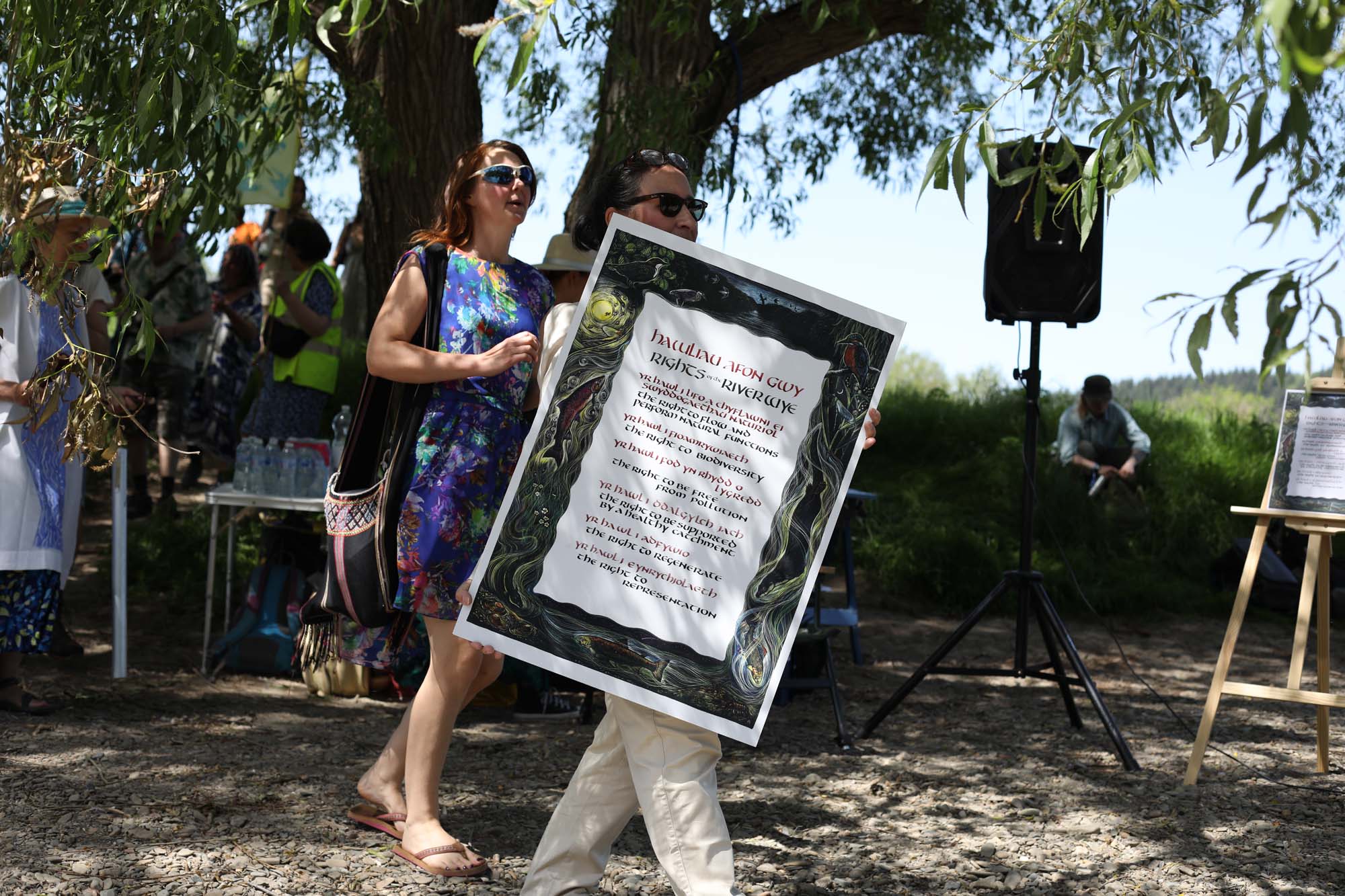
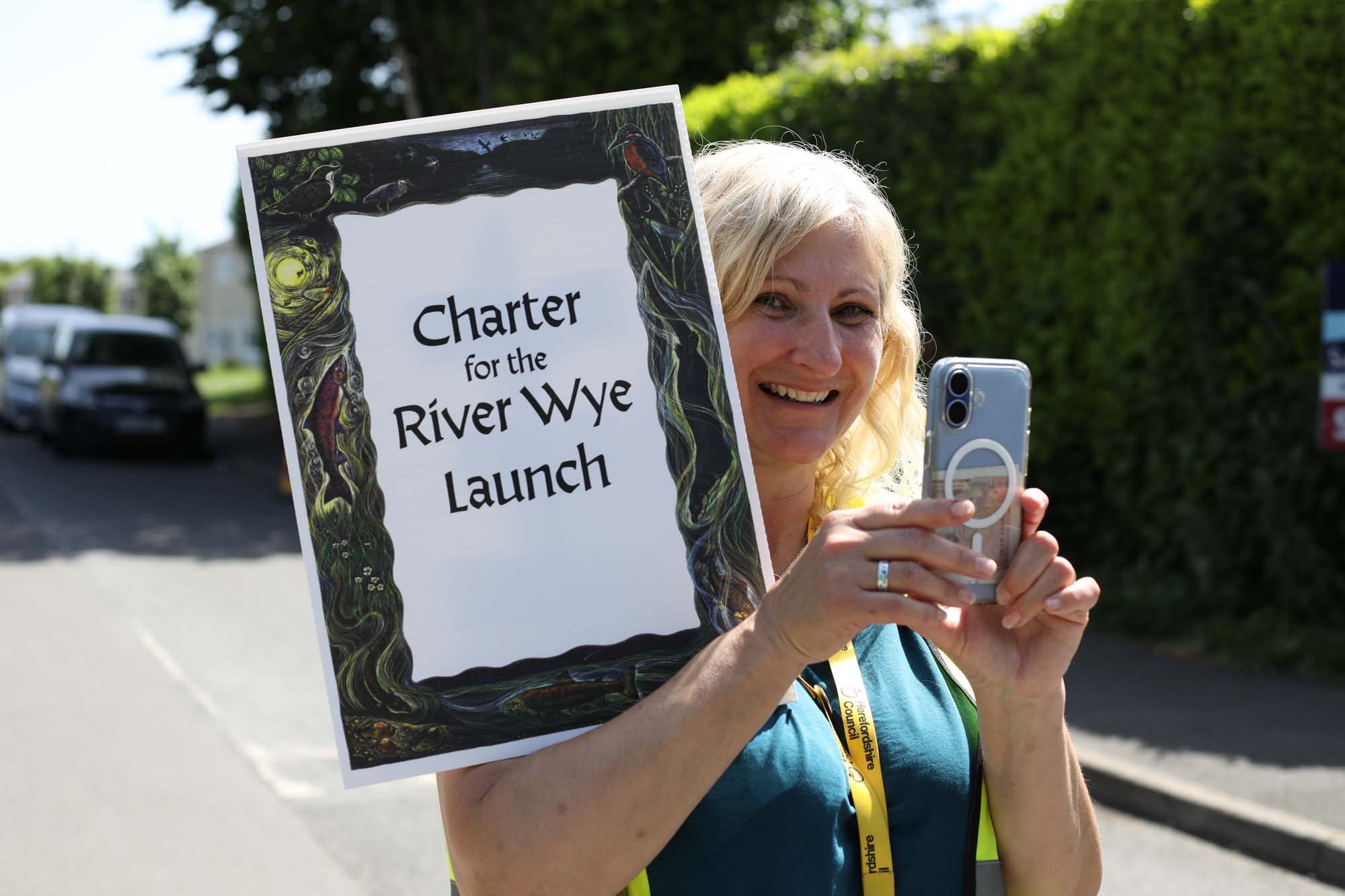
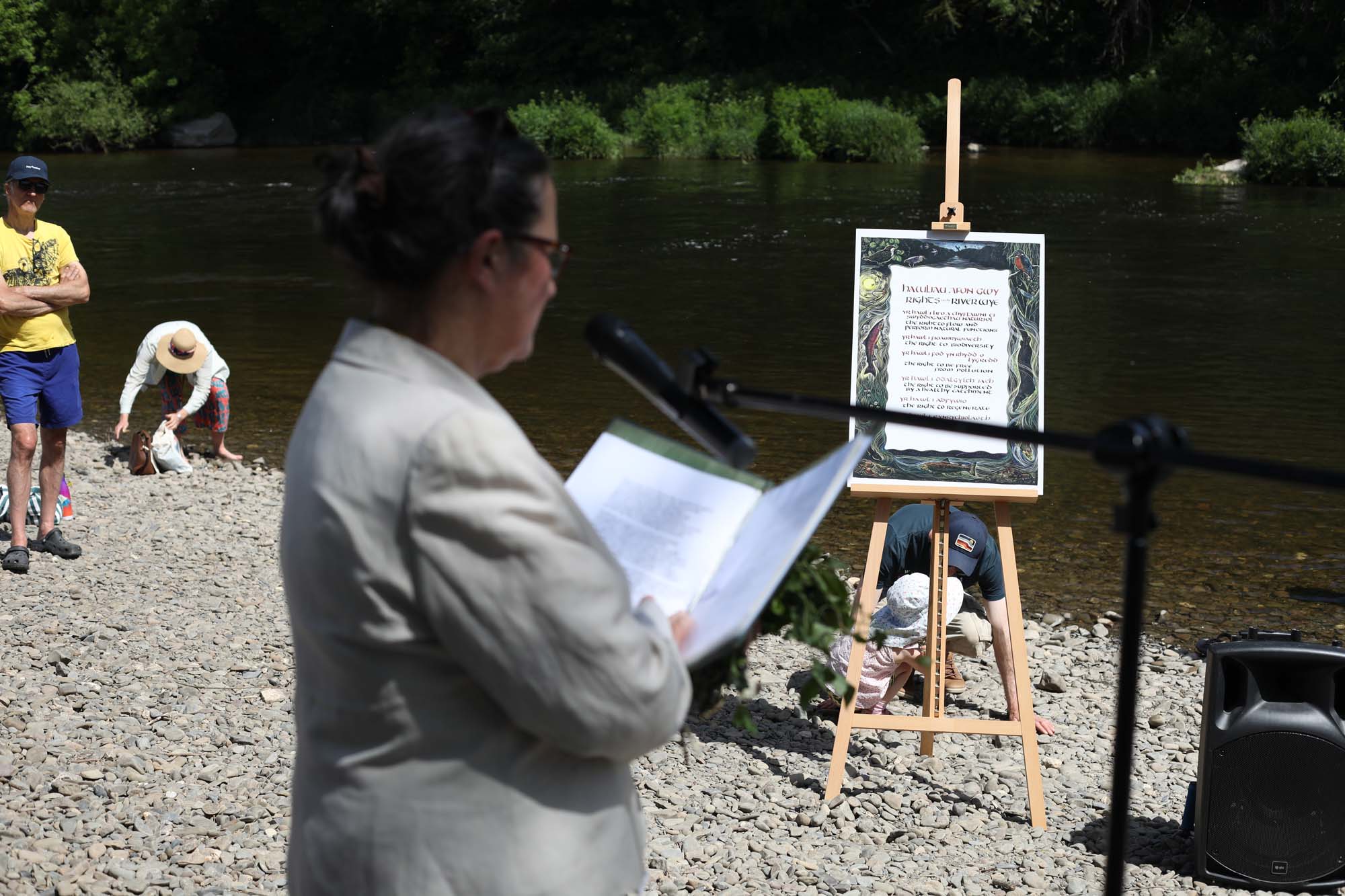
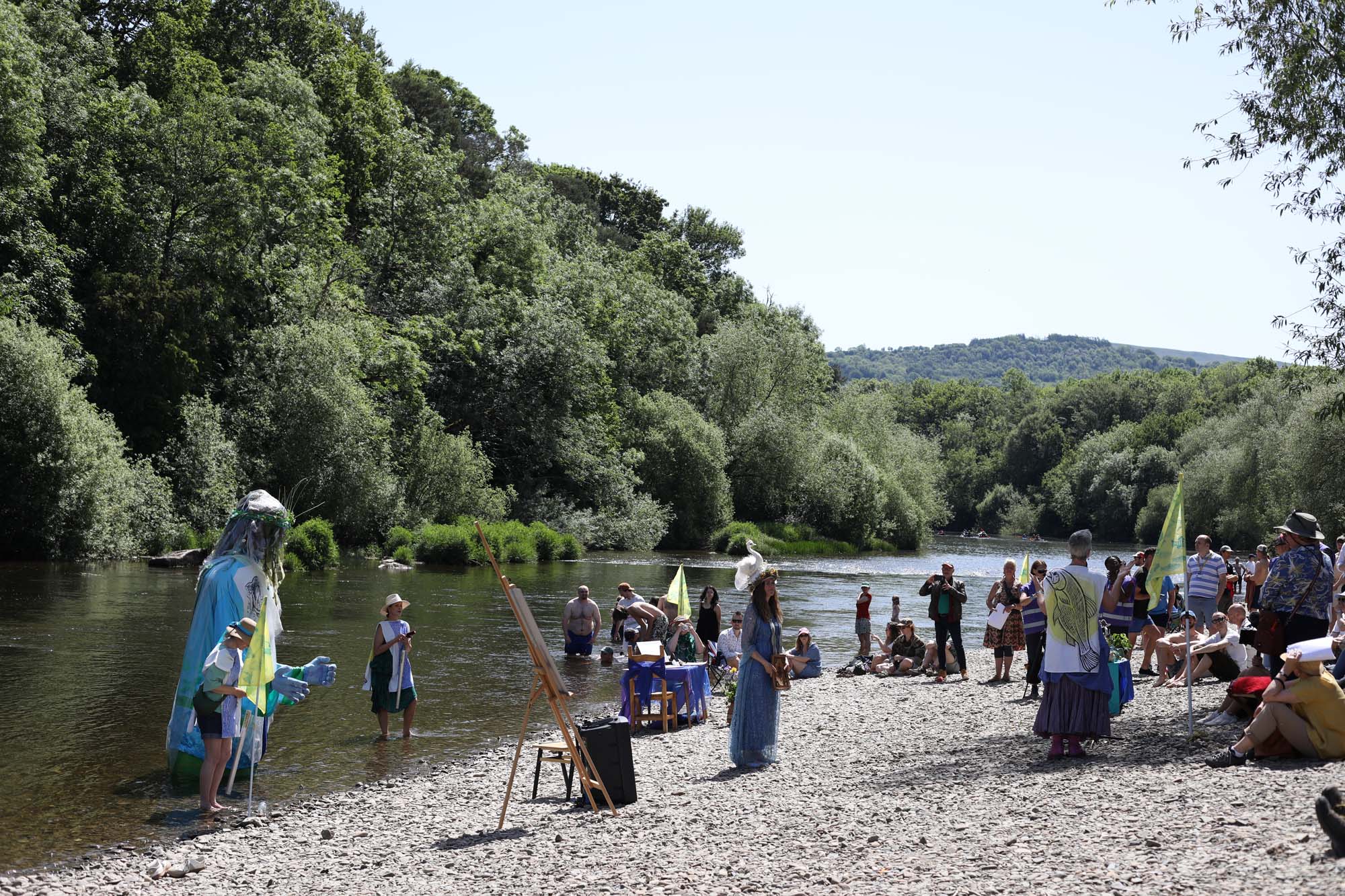
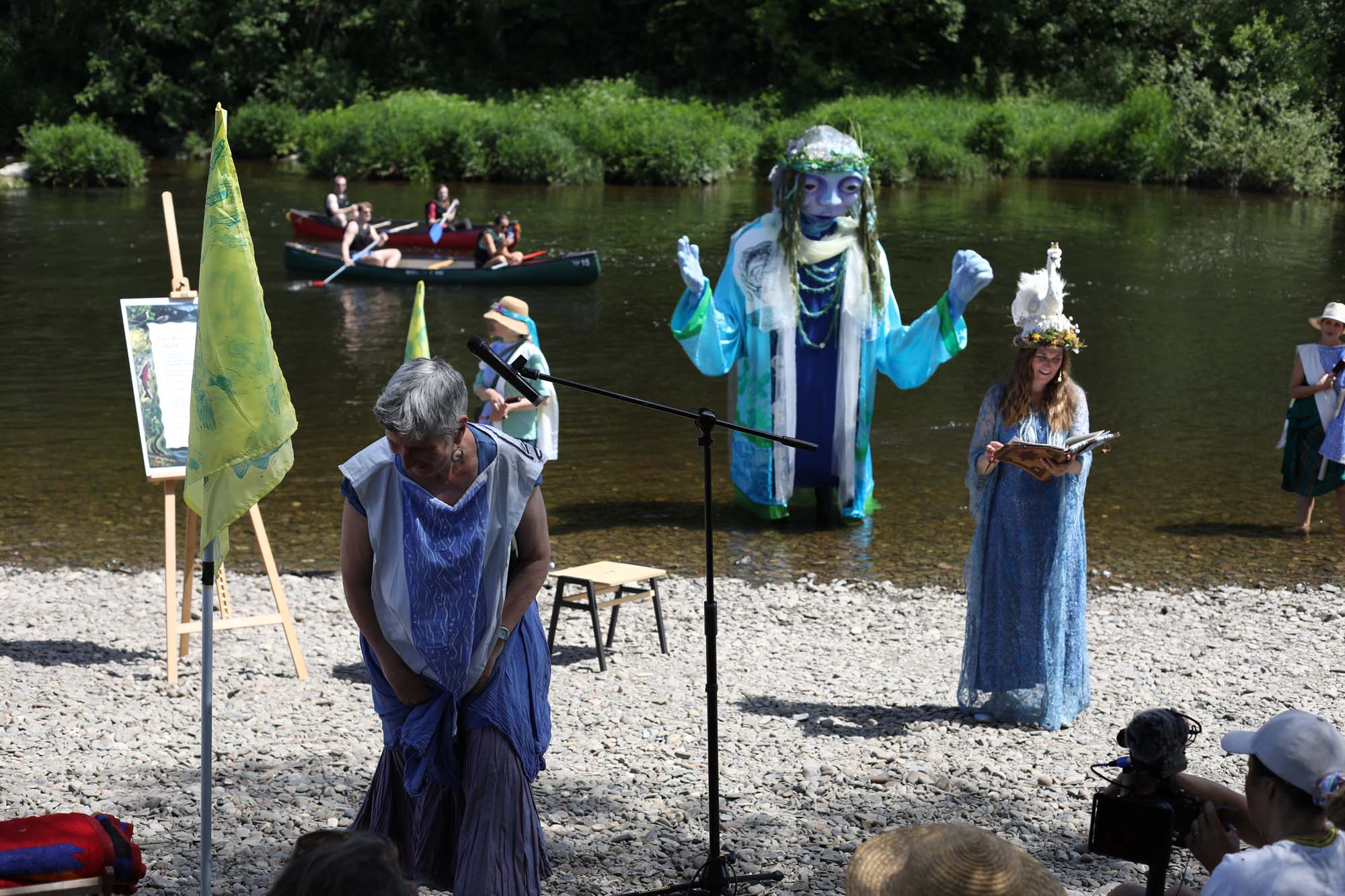
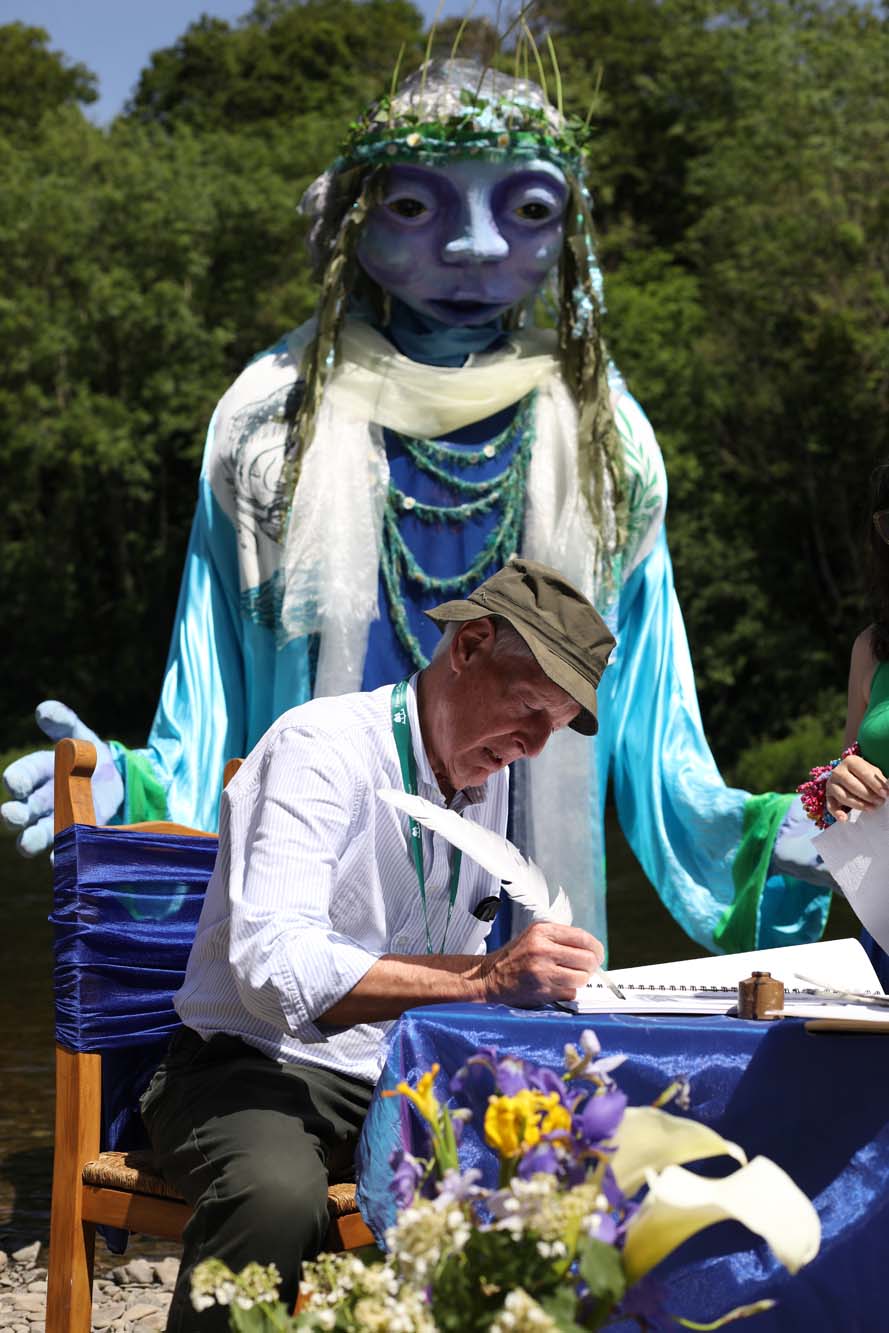
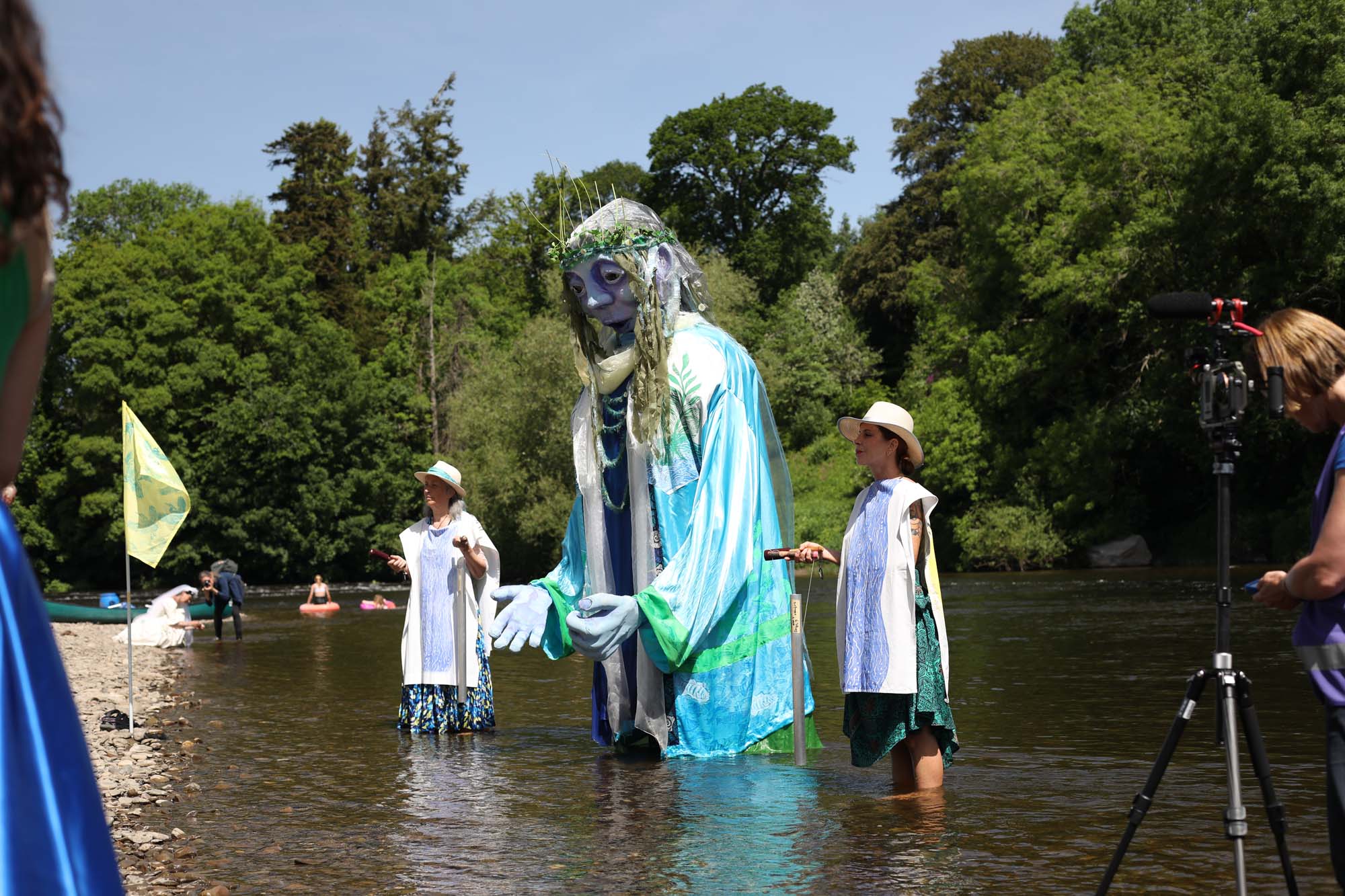
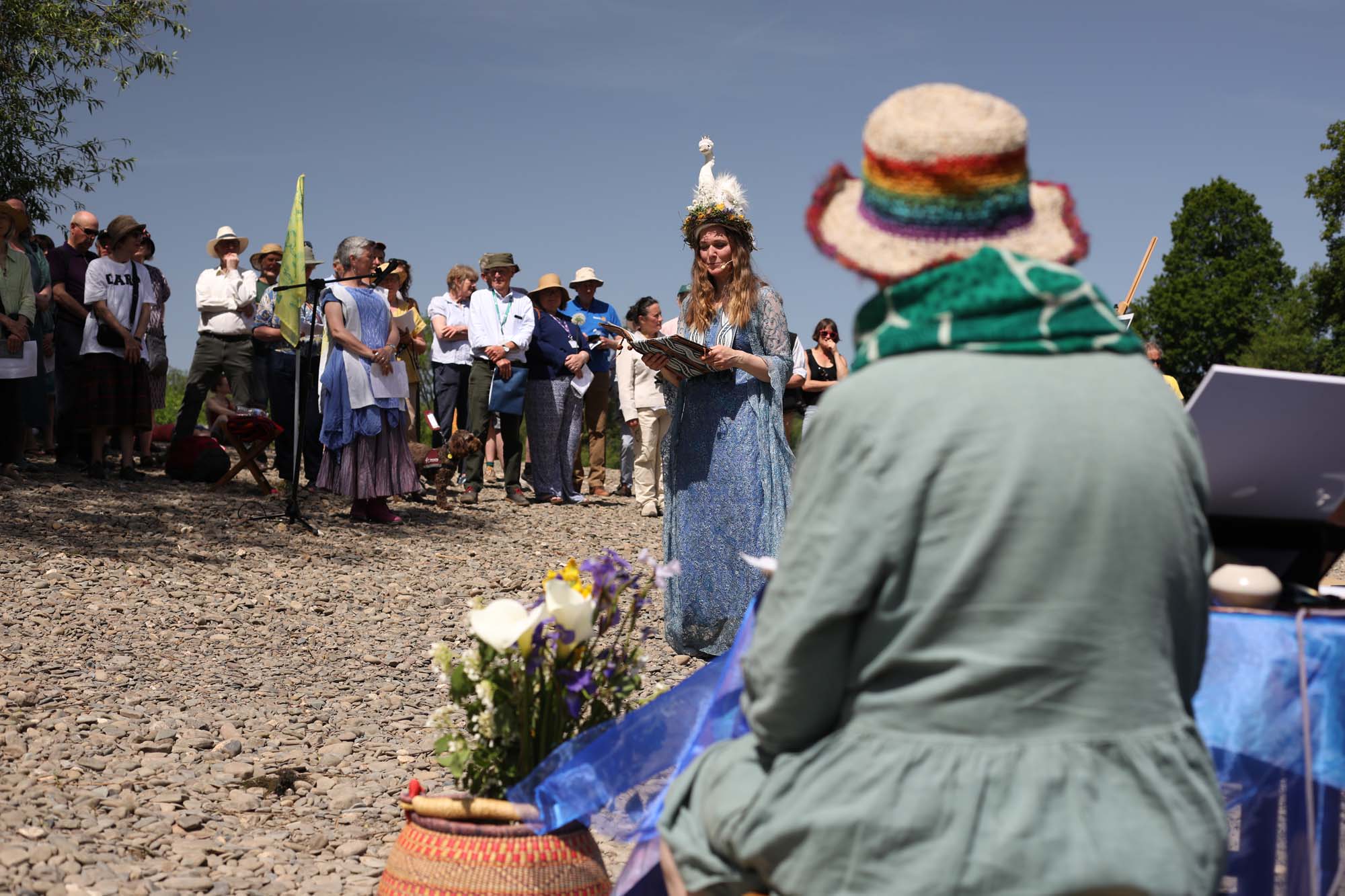
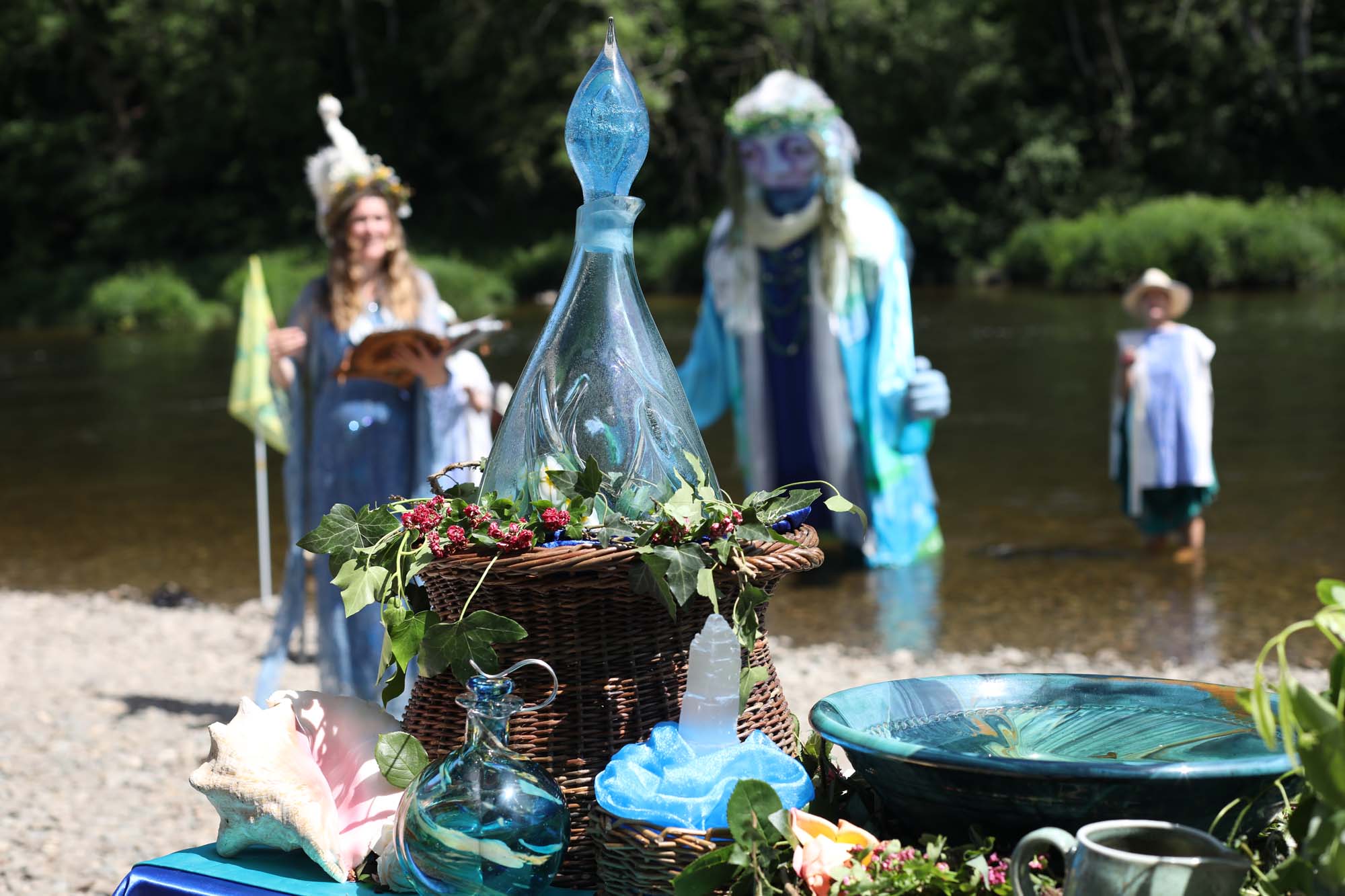
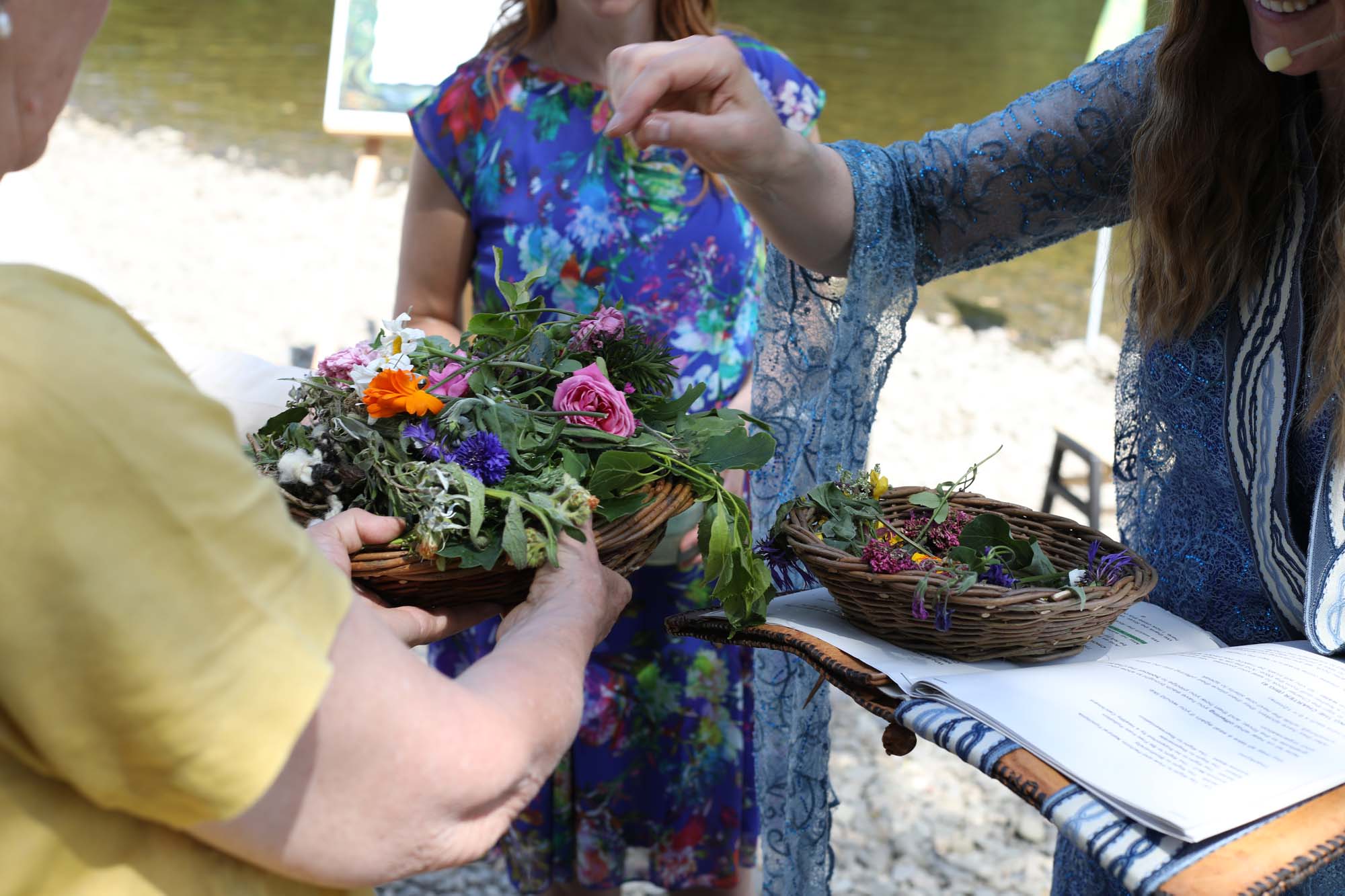
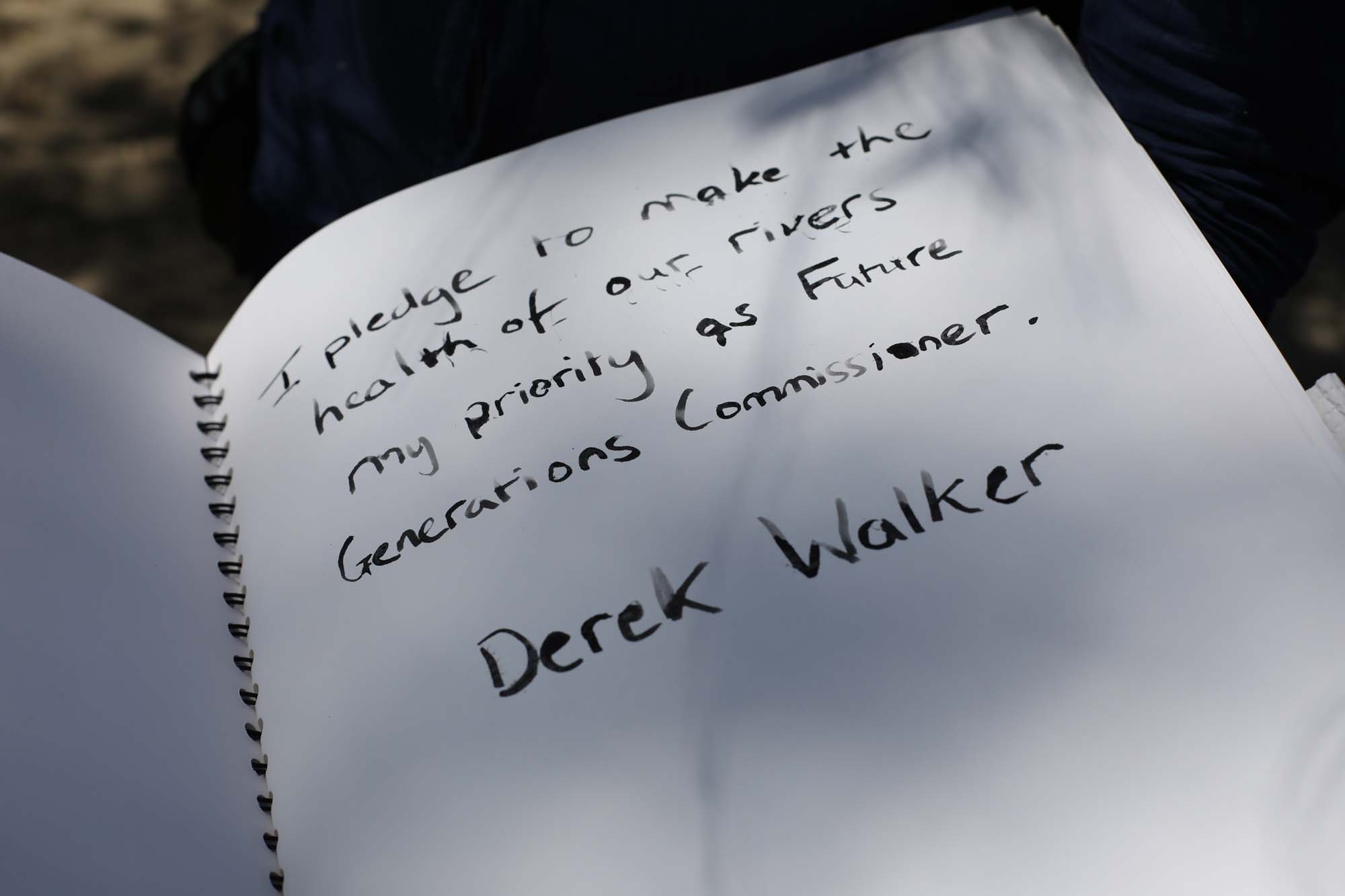
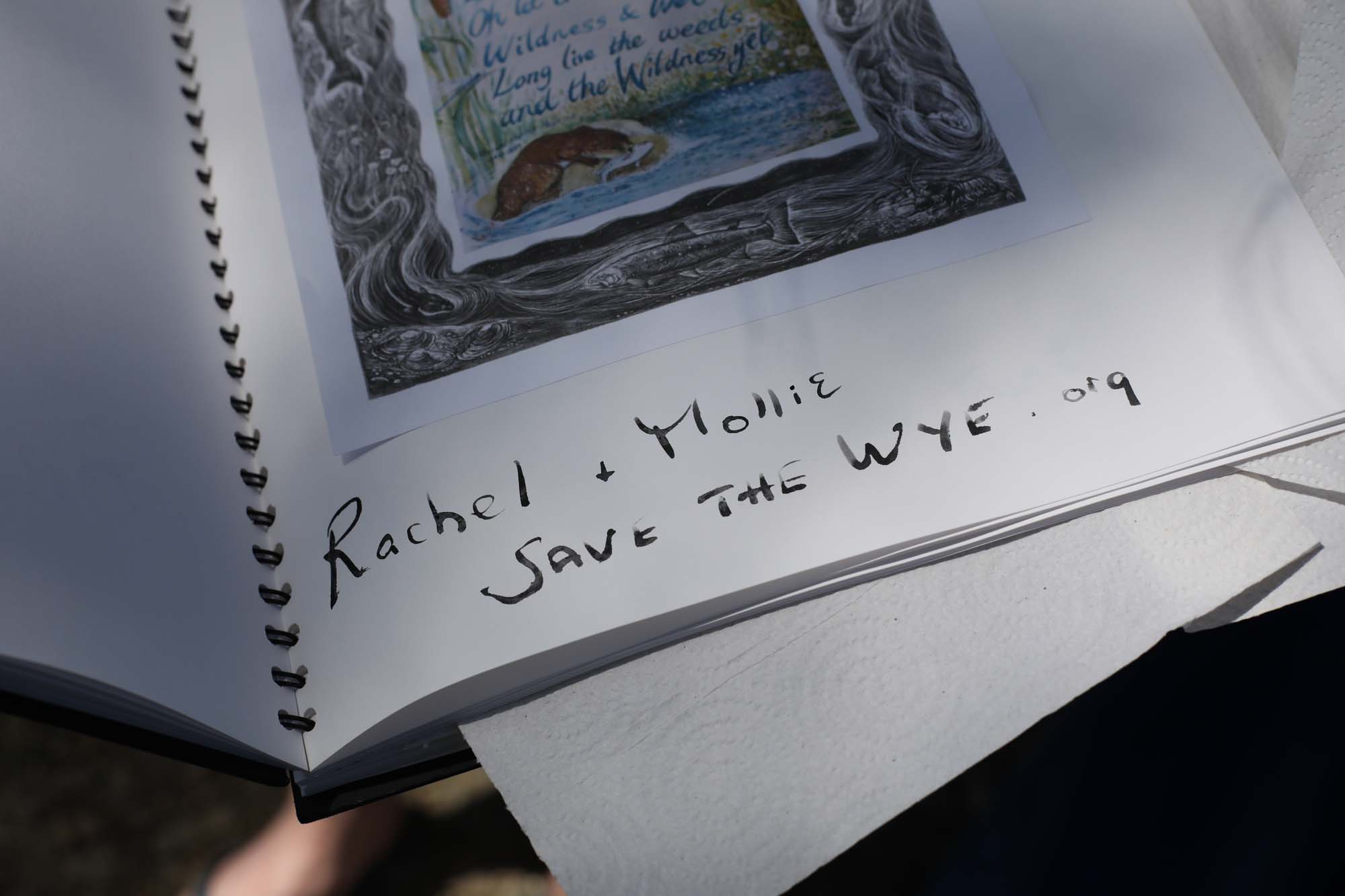
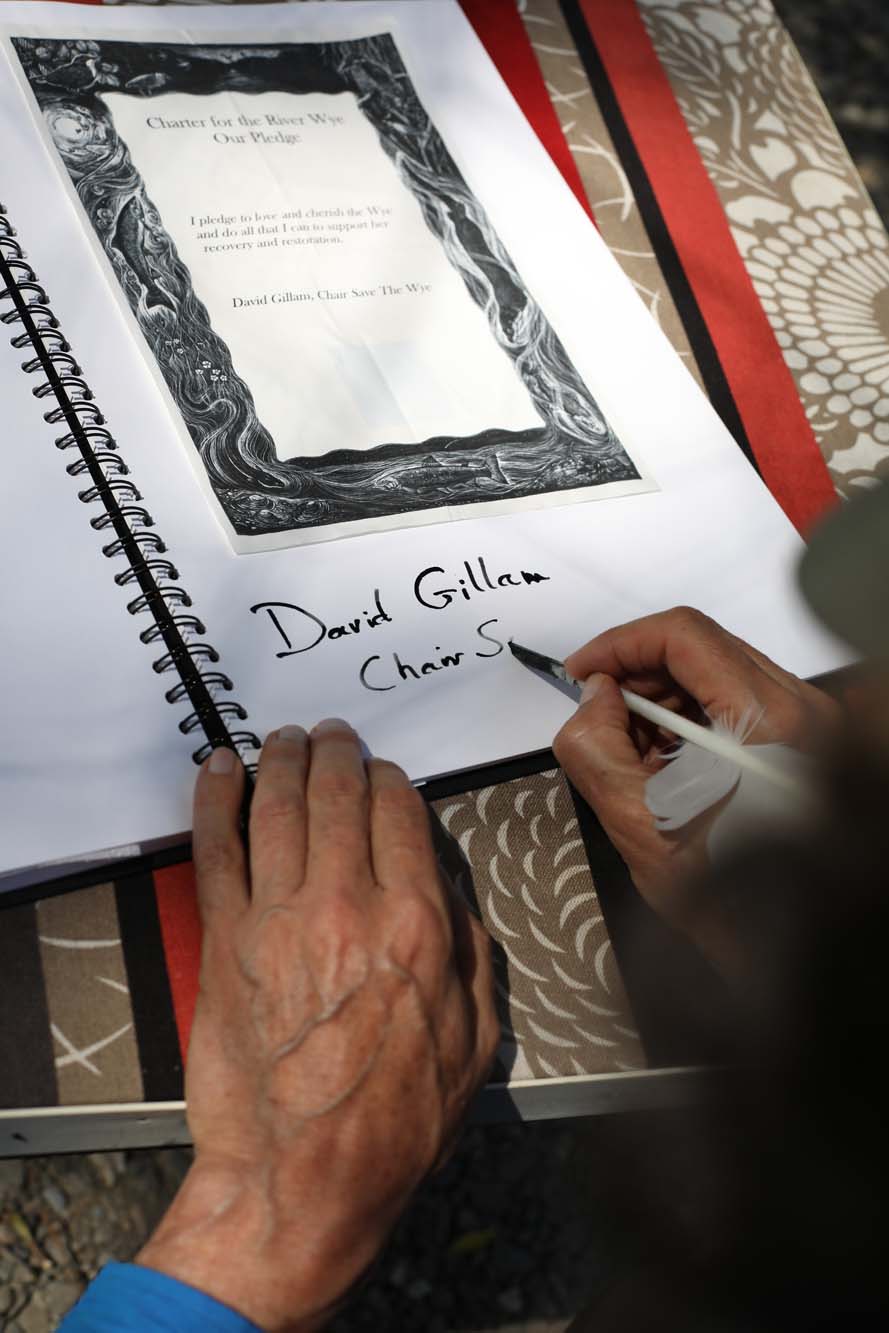
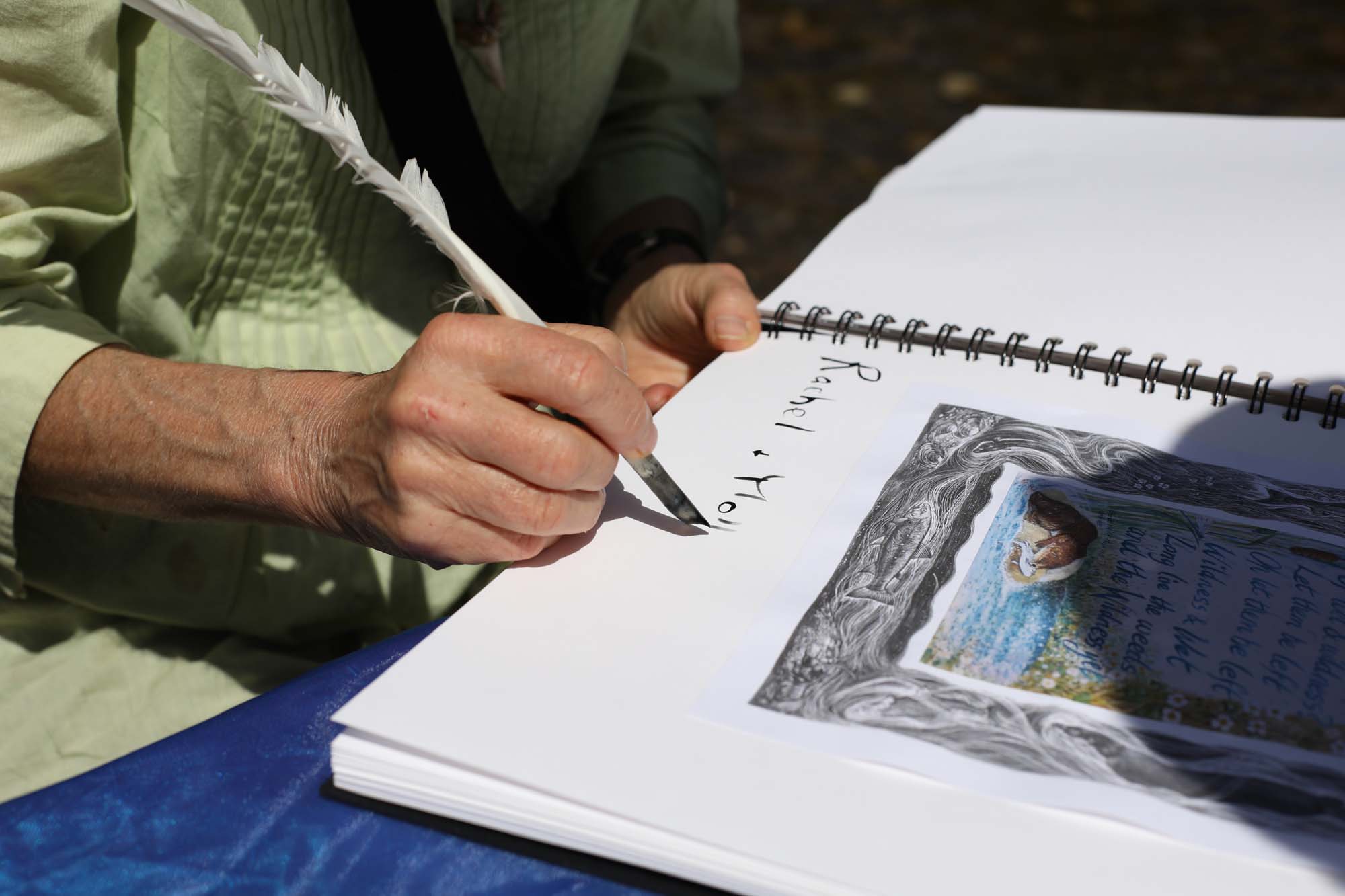
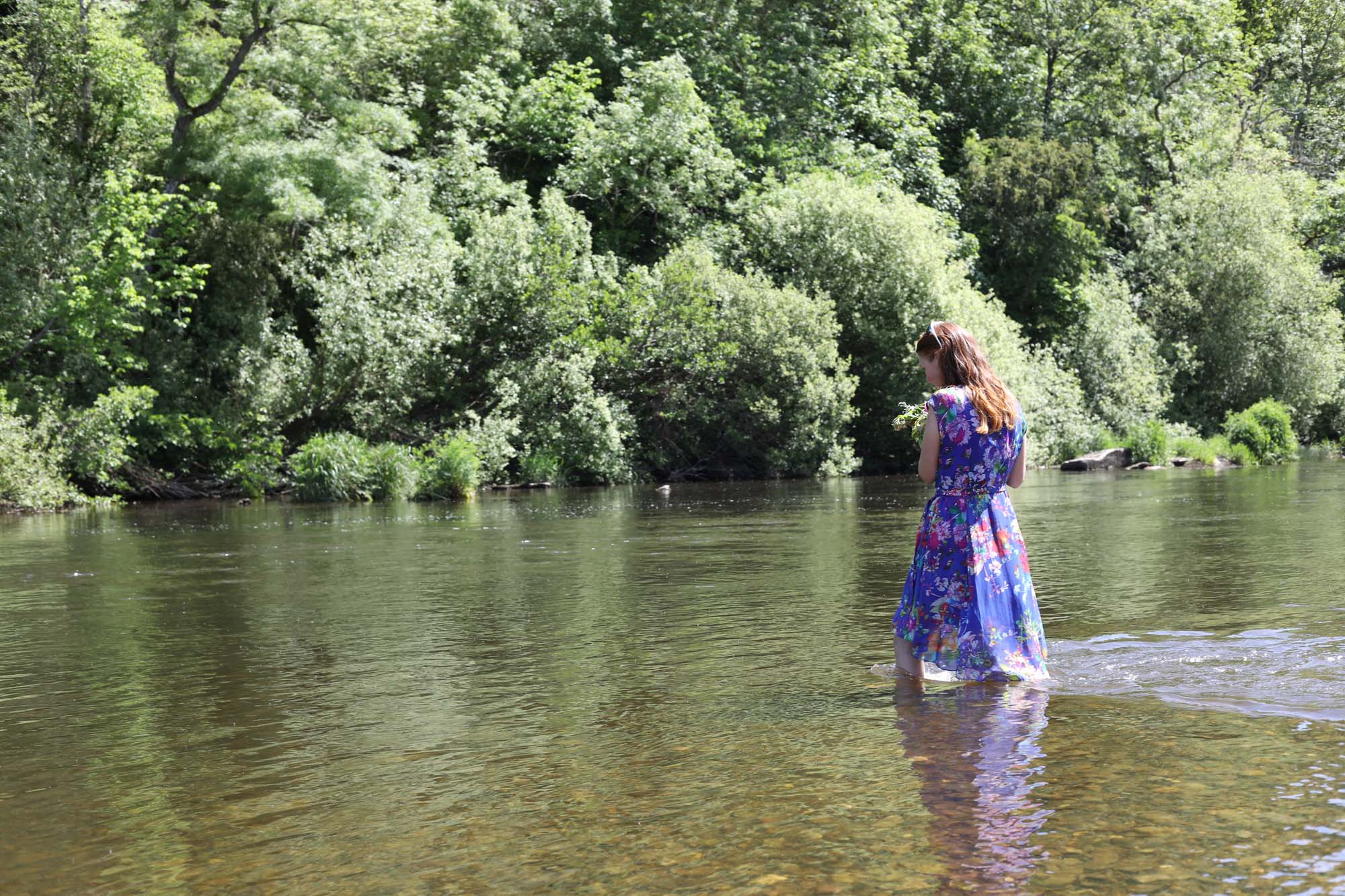
A major new Charter recognising the Rights of the River Wye was launched at a public ceremony on Sunday 24 May 2026 at The Warren, Hay-on-Wye, marking a significant moment in the growing Rights of Nature movement across the UK.
Believed to be the first full catchment River Charter in the UK and the first Rights of River framework for a Welsh river, the Charter has been developed collaboratively across the catchment and endorsed by councils and institutions including Herefordshire, Powys and the Forest of Dean, alongside Bannau Brycheiniog National Park and the Wye Valley National Landscape. Monmouthshire County Council is expected to confirm their support in the near future.
The Charter recognises the River Wye as a living ecosystem with intrinsic rights including the right to flow, biodiversity, regeneration and freedom from pollution. Supporters describe it as a development of national significance in the recognition of the rights of rivers and ecosystems
The initiative forms part of a growing international Rights of Nature movement that is reshaping how ecosystems are recognised and protected in law and governance. The rights expressed in the Charter reflect protections already recognised across existing environmental legislation and regulation.
The River Wye has become a national symbol of both ecological decline and public demand for stronger environmental protection. The river remains under severe pressure from nutrient pollution, biodiversity loss, climate impacts and emerging pollutants.
The original proposal was tabled by Conservative councillor Elissa Swinglehurst, reflecting broad political support for stronger river protection and long-term stewardship of the Wye.
In 2025, ecologist Dr Louise Bodnar became the first appointed “Voice of the River Wye”, taking a formal voting seat on the Wye Catchment Nutrient Management Board to represent the river’s interests in official decision-making
Dr Louise Bodnar:
“Putting the River on the board begins to move us away from an anthropocentric view of the world, where nature is a resource for us to use, towards a view in which we understand ourselves to be interdependent parts of the natural world, reminding us that we belong to the earth, the earth does not belong to us.
“By recognising the River Wye as a stakeholder in planning, permitting and environmental governance, the Charter helps embed the river’s interests within decision-making processes. It strengthens accountability and encourages the long-term stewardship needed to support the Wye’s recovery and future resilience.”
The ceremony continues a growing series of cultural and ecological gatherings centred around the River Wye, including recent events connected to Robert Macfarlane’s Hay Festival appearance helping to launch his Sunday Times bestselling book Is A River Alive?
Author Robert Macfarlane:
“Change is rising from the riverbank upwards, and change from below is almost always the most durable kind of change. What especially impresses me is the catchment-wide nature of this initiative. Having four councils and two landscape-scale organisations behind it is testimony to the alliance-building power of the river rights vision.”
Amy Fairman, Head of Campaigns at River Action:
“The River Wye has become a symbol of both ecological collapse and public determination to fight for our rivers. This Charter represents something genuinely hopeful: communities, councils, campaigners and institutions coming together to recognise that rivers are living systems deserving of protection, representation and recovery.”
Vey Straker, Lady Wye, and Kim Kaos, the Goddess of the Wye led the launch ceremony.
Image and video credit: Eamon Bourke, with thanks
Hawliau Afon Gwy
Yr hawl i lifo a chyflawni ei swyddogaethau naturiol
Cynnal ei chwrs naturiol a’i rhythmau tymhorol heb rwystrau nac echdyniadau sy’n effeithio’n andwyol ar swyddogaeth ecolegol unrhyw ran o system yr afon.
Yr hawl i fioamrywiaeth
Iechyd biolegol da drwy fodolaeth poblogaethau cytbwys, amrywiol a hyfyw o rywogaethau a chynefinoedd brodorol sy’n benodol i afon Gwy a’i llednentydd.
Yr hawl i fod yn rhydd o lygredd
Bodoli mewn cyflwr iechyd ecolegol yn rhydd o lefelau niweidiol o lygryddion hysbys a newydd sy’n effeithio’n andwyol ar fywyd yr afon.
Yr hawl i ddalgylch iach
Llifo drwy amgylcheddau sy’n cynnal yr afon fel ecosystem ddyfrol gytbwys, gynaliadwy a gwydn.
Yr hawl i adfywio
Adfer ei swyddogaeth ecolegol lawn drwy brosesau naturiol gydag ymyriadau’n ategu hyn, pan fo angen, i atal y dirywiad mewn bioamrywiaeth a thoreithrwydd gan gynyddu’r ddau beth yma dros amser.
Yr hawl i gynrychiolaeth
Cael ei chynrychioli a derbyn cydnabyddiaeth o’r hawliau cynhenid hyn wrth i benderfyniadau ar faterion sy’n effeithio’n uniongyrchol ar iechyd yr afon gael eu gwneud, nawr ac yn y dyfodol..
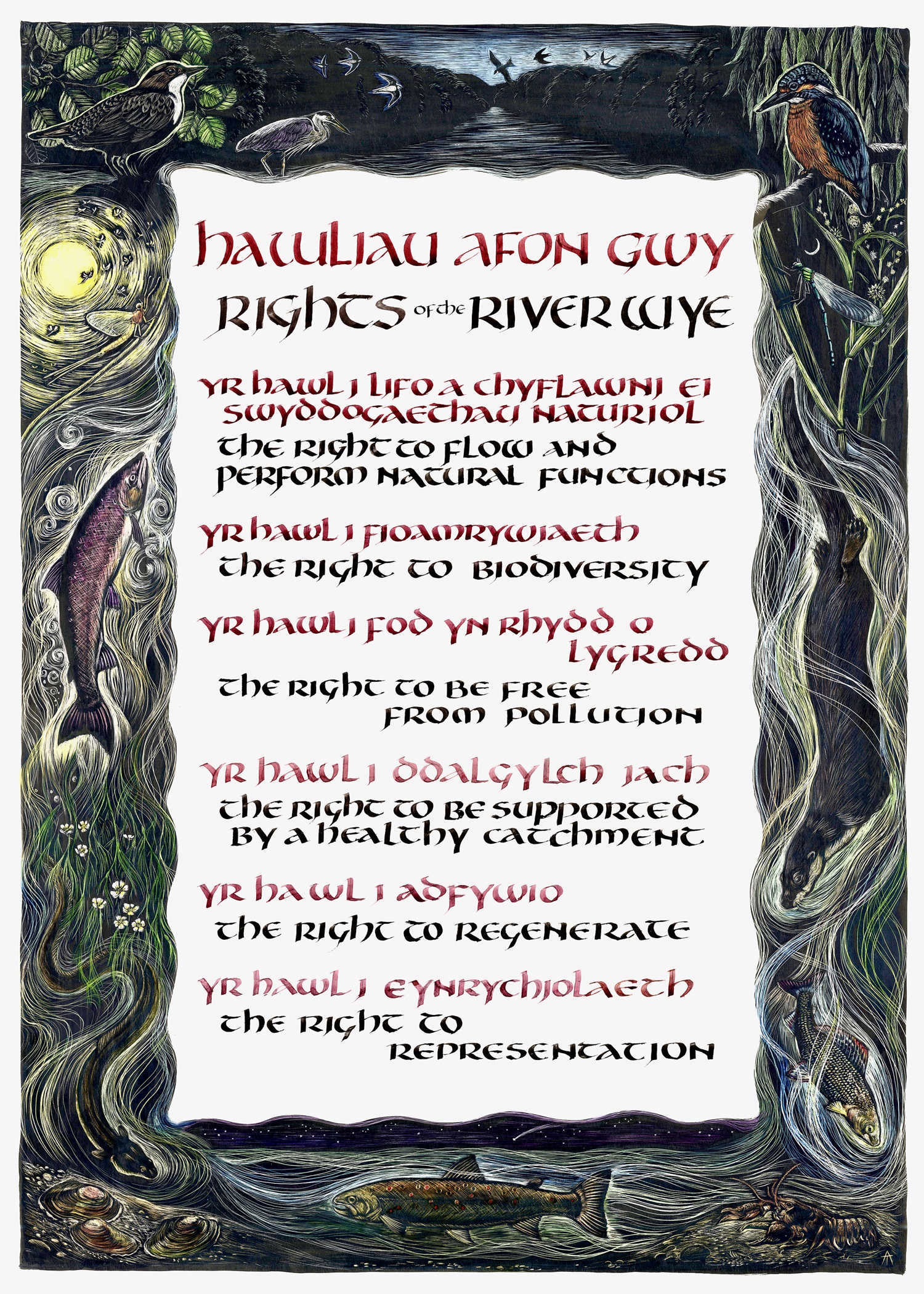
Rights of the River Wye
The Right to Flow and Perform Natural Functions
To maintain its natural course and seasonal rhythms without obstructions or extractions that detrimentally affect the ecological function of any part of the river system.
The Right to Biodiversity
To good biological health through the existence of balanced, diverse, and viable populations of native species and habitats specific to the Wye and its tributaries.
The Right to Be Free from Pollution
To exist in a state of ecological health and not be subject to detrimental levels of known and emerging pollutants that adversely affect the life of the river.
The Right to be Supported by a Healthy Catchment
To flow through environments which support the river as a balanced, sustainable, and resilient aquatic ecosystem.
The Right to Regenerate
To recover to full ecological function through natural processes and for this to be supported by intervention, where necessary, to halt the decline in biodiversity and abundance and to increase both over time.
The Right to Representation
To be represented and have these intrinsic rights recognised in the determination of matters that directly affect the river’s health now and in the future.
The River Charter
The beautiful illustrated border of the Rights of the River Wye Charter is by stained-glass artist and illustrator Tamsin Abbott.
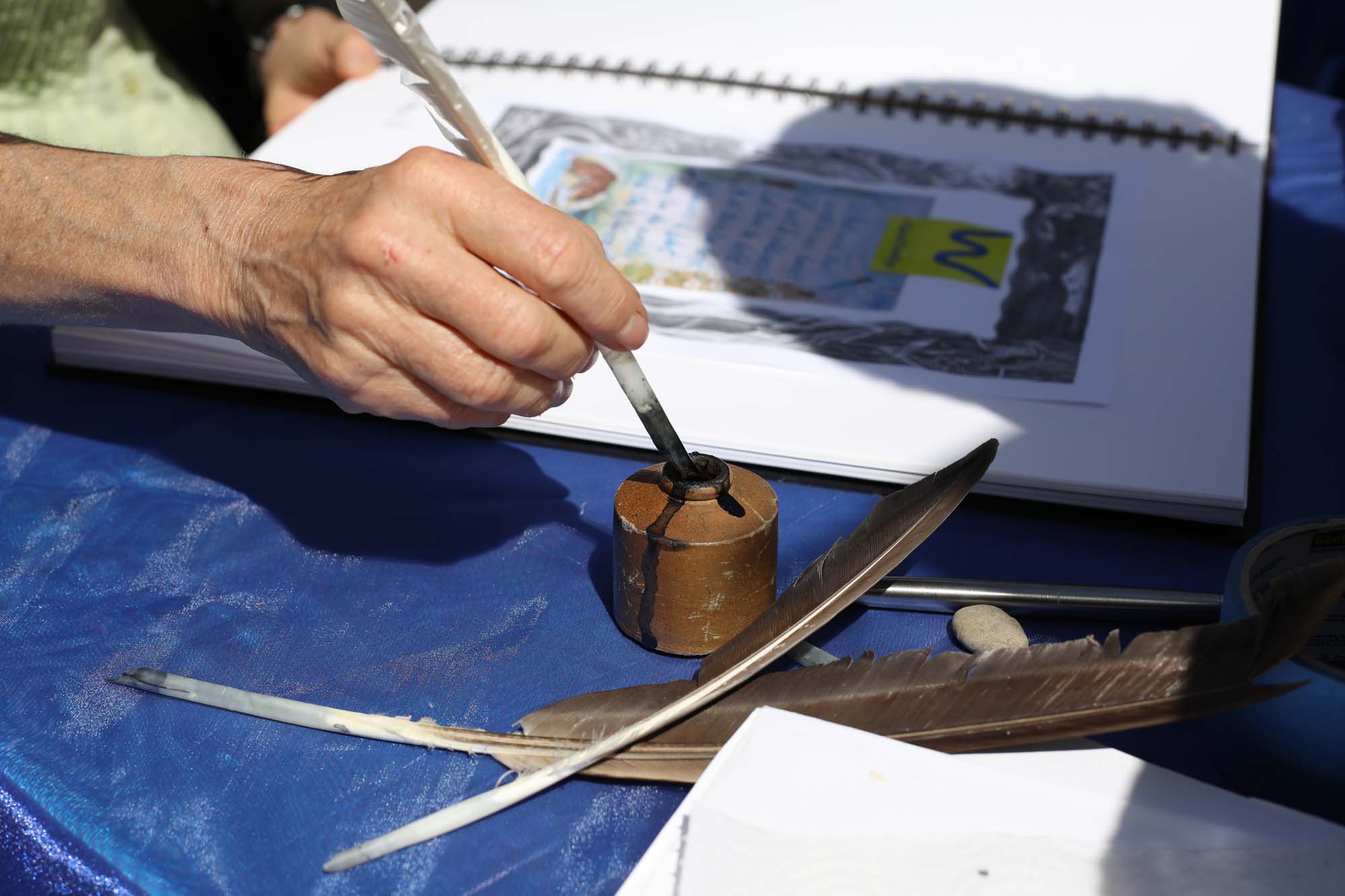
The calligraphy is by Mollie Meager – a long-time campaigner for the Wye, based in the Lower Wye Valley.
WYE’S COUNCIL – a short film about the Wye Charter, called ‘Wye’s Council – A Council-led River Charter’. Made by Charlotte Sawyer (Rave on for the Avon) and Vey (Lady Wye), this inspiring film has been made especially for Councils and Councillors in other parts of the UK to enable them to consider what it takes to develop and endorse Rights for a River across a multitude of authorities and campaign groups.